Indonesia
 English
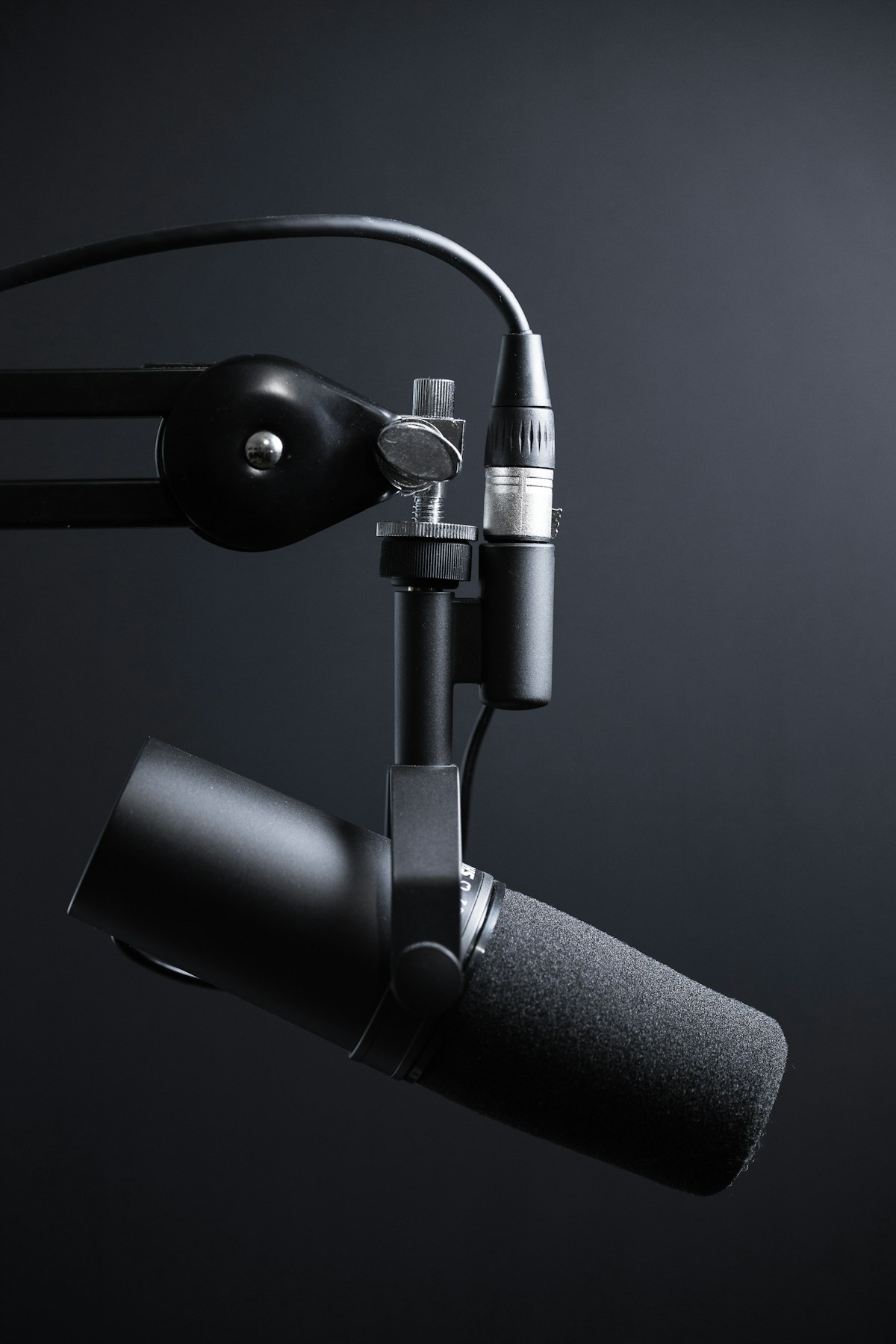
Your audience will forgive grainy video, but they will never forgive bad audio. In 2026, with AI-enhanced audio processing and wireless technology reaching new heights, choosing the right microphone is more important—and more confusing—than ever.
We've spent over 200 hours testing 25+ microphones across every category: USB mics for beginners, XLR setups for studios, wireless lavaliers for on-the-go creators, and even smartphone mics. We tested them in real-world conditions—voice-over recordings, podcast interviews, outdoor vlogging, and noisy environments—to find the absolute best audio gear for content creators in 2026.
📋 Quick Navigation
⚡ Quick Recommendations (2026)
| Category | Microphone | Type | Best For | Price | Rating |
|---|---|---|---|---|---|
| Best Wireless | Rode Wireless Pro | Lavalier | Professional video | $399 | 9.8/10 |
| Best Studio | Shure SM7B | Dynamic XLR | Podcast, voice-over | $399 | 9.7/10 |
| Best Value Wireless | DJI Mic 2 | Lavalier | Vlogging, interviews | $219 | 9.6/10 |
| Best USB/XLR | Rode NT1 5th Gen | Condenser | Studio recording | $249 | 9.5/10 |
| Best USB Mic | Blue Yeti X | Condenser USB | Beginners, streaming | $169 | 9.4/10 |
1. Rode Wireless Pro – The Ultimate Wireless Microphone System (2026)
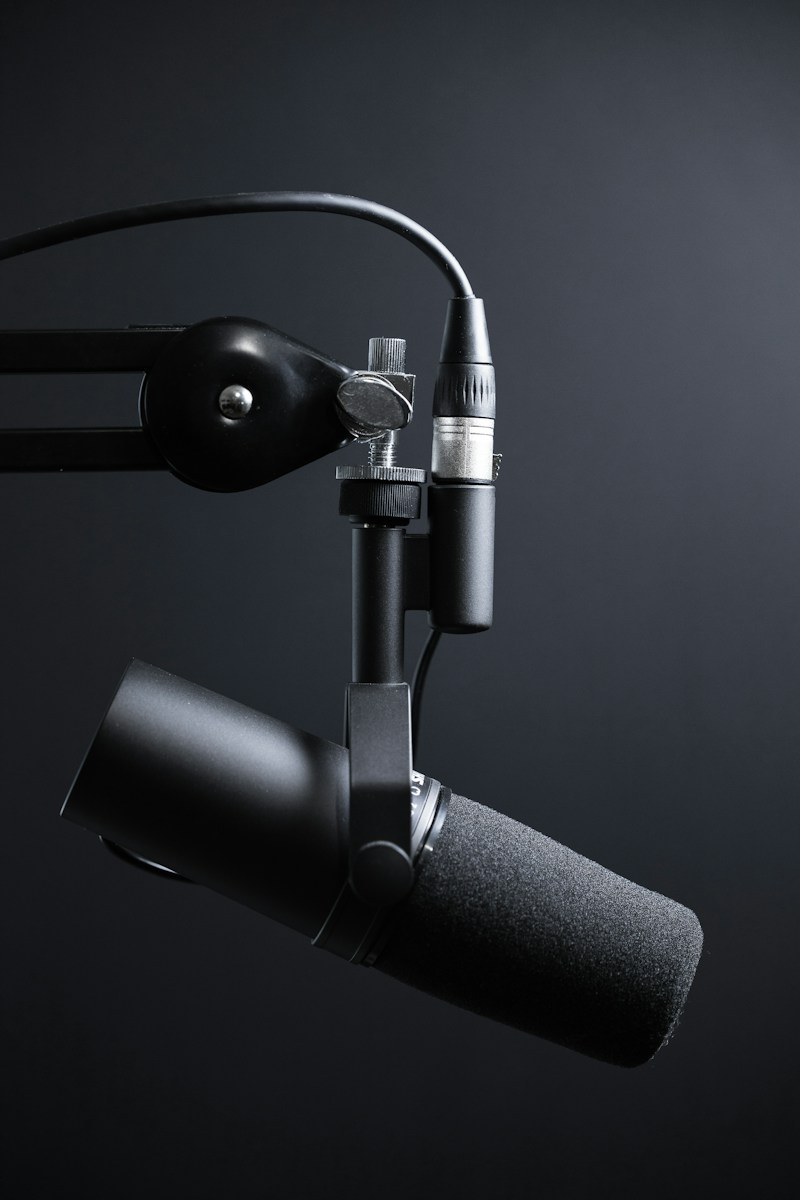
Rode Wireless Pro (2026)
$399The Rode Wireless Pro is the successor to the legendary Wireless GO II, and it's a game-changer for video creators. With 32-bit float recording, you'll never have to worry about audio clipping again—just set it and forget it.
📊 Key Specifications:
- Type: Wireless Lavalier System
- Recording: 32-bit float internal
- Range: 300m (line-of-sight)
- Battery: 12 hours (transmitter)
- Features: Timecode, gain assist
- Includes: 2 transmitters, receiver, lavs
🎬 Real-World Performance:
- Interview setup: Perfect sync, zero dropouts
- Vlogging: Crystal clear audio up to 100m
- Noisy environments: Excellent noise rejection
- 32-bit float: Never worry about levels
✅ Pros
- 32-bit float recording (game changer)
- Incredible range (300m)
- Built-in timecode
- Excellent build quality
- GainAssist technology
❌ Cons
- Expensive
- Charging case sold separately
- Overkill for beginners
Best for: Professional videographers, wedding filmmakers, documentary creators, and anyone who needs bulletproof wireless audio.
2. Shure SM7B – The Legendary Studio Microphone
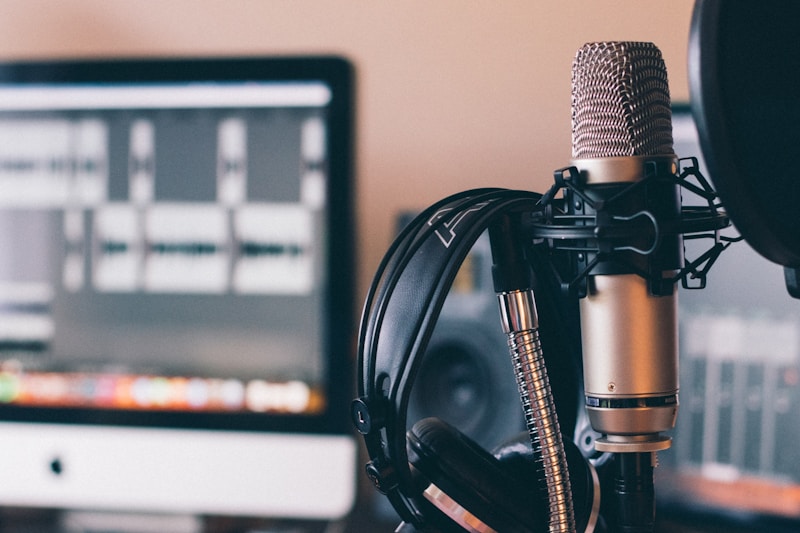
Shure SM7B (2026)
$399The Shure SM7B needs no introduction—it's the microphone you hear on countless podcasts, radio shows, and YouTube channels. Its warm, smooth sound profile makes even average voices sound professional.
📊 Key Specifications:
- Type: Dynamic XLR
- Polar Pattern: Cardioid
- Frequency Response: 50Hz-20kHz
- Impedance: 150 ohms
- Requires: Audio interface + cloudlifter
- Build: Legendary ruggedness
🎧 Best Setup:
- Cloudlifter CL-1 (for gain)
- Focusrite Scarlett 2i2 (interface)
- Pop filter + shock mount
✅ Pros
- Iconic, broadcast-quality sound
- Excellent background noise rejection
- Built like a tank
- Versatile for voice and instruments
❌ Cons
- Needs extra gain (Cloudlifter)
- Requires audio interface
- Heavy, needs good arm
- Not USB plug-and-play
Best for: Podcasters, voice-over artists, streamers who want the absolute best sound quality and don't mind a more complex setup.
3. DJI Mic 2 – Best Value Wireless Microphone

DJI Mic 2 (2026)
$219The DJI Mic 2 improves on the already-excellent original with better battery life, improved noise cancellation, and a sleek charging case. It's the perfect wireless solution for vloggers and interviewers on a budget.
📊 Key Specifications:
- Type: Wireless Lavalier
- Recording: 48kHz 24-bit
- Range: 250m
- Battery: 6 hours (tx) + case charges 2x
- Noise Cancel: AI-powered
- Includes: 2 tx, 1 rx, charging case
✅ Pros
- Excellent value for money
- Great battery life with case
- Touchscreen on receiver
- Good noise cancellation
- Compact and portable
❌ Cons
- No 32-bit float
- Build quality feels plasticky
- Range less than Rode
Best for: YouTubers, vloggers, and interviewers who need good wireless audio without breaking the bank.
4. Rode NT1 5th Gen – Best USB/XLR Hybrid
Rode NT1 5th Gen (2026)
$249The Rode NT1 5th Gen is the world's first microphone with both USB-C and XLR outputs AND 32-bit float recording. It's the perfect microphone for creators who want to start simple with USB and upgrade to professional XLR setups later.
📊 Key Specifications:
- Type: Large-diaphragm condenser
- Connectivity: USB-C + XLR
- Recording: 32-bit float (USB), 24-bit (XLR)
- Polar Pattern: Cardioid
- Includes: Shock mount, pop filter, XLR cable
- Self-noise: 4.5dBA (ultra quiet)
✅ Pros
- Dual USB/XLR connectivity
- 32-bit float via USB
- Ultra-low noise floor
- Complete kit included
- Future-proof investment
❌ Cons
- Picks up room noise (condenser)
- Needs phantom power for XLR
- Large size
Best for: Creators who want to start with USB but plan to upgrade to professional audio interfaces later. Also great for studio recording of vocals and instruments.
5. Blue Yeti X – Best USB Microphone for Beginners
Blue Yeti X (2026)
$169The Blue Yeti X is the most popular USB microphone for a reason. It's plug-and-play simple, sounds great, and offers multiple polar patterns for different recording situations. Perfect for streamers and podcast beginners.
📊 Key Specifications:
- Type: Condenser USB
- Polar Patterns: Cardioid, Omni, Bidirectional, Stereo
- Bit Depth: 24-bit / 48kHz
- Controls: Gain, mute, headphone volume
- LED: Multi-function LED meter
- Compatibility: PC, Mac, PS5, iPad
✅ Pros
- Multiple polar patterns
- Plug-and-play simplicity
- Great sound for the price
- Built-in headphone jack
- Aesthetic design
❌ Cons
- Picks up background noise
- Large footprint on desk
- No XLR for upgrade path
- Sensitive to plosives
Best for: Beginner podcasters, Twitch streamers, Zoom calls, and creators who want a simple, good-sounding USB microphone.
6. Elgato Wave:3 – Best Microphone for Streamers
Elgato Wave:3 (2026)
$159The Elgato Wave:3 is designed specifically for streamers, with features like Clip Guard (anti-distortion technology) and Wave Link software that lets you create separate audio channels for your mic, game audio, and music.
📊 Key Specifications:
- Type: Condenser USB
- Polar Pattern: Cardioid
- Bit Depth: 24-bit / 96kHz
- Features: Clip Guard, capacitive mute
- Software: Wave Link (game-changer)
- Included: Desktop stand, USB cable
✅ Pros
- Wave Link software is amazing
- Clip Guard prevents distortion
- Capacitive touch mute
- Great sound quality
- Compact design
❌ Cons
- Only one polar pattern
- Picks up keyboard sounds
- Stand is wobbly
Best for: Twitch streamers, gamers, and content creators who want advanced software control and clean, professional audio.
7. Shure MV7 – The Podcasting Workhorse
Shure MV7 (2026)
$249The Shure MV7 brings the legendary SM7B sound to a more affordable, easier-to-use package with both USB and XLR outputs. It's the perfect microphone for serious podcasters who want professional sound without the complex setup.
📊 Key Specifications:
- Type: Dynamic USB/XLR
- Polar Pattern: Cardioid
- Features: Auto-level mode, EQ presets
- App: ShurePlus MOTIV app
- Build: All-metal construction
- Included: USB and XLR cables
8. Rode VideoMic Go II – Best On-Camera Microphone
Rode VideoMic Go II
$99The Rode VideoMic Go II is the perfect on-camera microphone for run-and-gun videographers. It's lightweight, requires no battery (powered by camera), and dramatically improves audio quality over built-in mics.
📊 Key Specifications:
- Type: Shotgun condenser
- Power: Plug-in power (no battery)
- Weight: 89g (ultra light)
- Features: Rycote suspension, 3.5mm output
- Digital: USB-C for firmware updates
📝 Complete Microphone Buying Guide 2026
1. Microphone Types Explained
- Dynamic Microphones: Best for noisy environments, reject background sound (Shure SM7B, MV7)
- Condenser Microphones: More sensitive, detailed sound, better for quiet studios (Rode NT1, Blue Yeti)
- Wireless Lavaliers: Perfect for video, interviews, and movement (Rode Wireless Pro, DJI Mic 2)
- Shotgun Microphones: Directional, for on-camera use (Rode VideoMic)
2. Connectivity Options
- USB Microphones: Plug-and-play, great for beginners (Blue Yeti X, Elgato Wave:3)
- XLR Microphones: Professional quality, requires audio interface (Shure SM7B)
- Hybrid USB/XLR: Best of both worlds (Rode NT1 5th Gen, Shure MV7)
3. Polar Patterns Guide
- Cardioid: Picks up sound from front, rejects sides/rear - best for solo recording
- Omnidirectional: Picks up sound from all directions - for group recordings
- Figure-8: Picks up front and back - for interviews
- Stereo: Left and right channels - for music
4. Essential Accessories
- Boom Arm: Gets mic off desk, reduces vibrations
- Pop Filter: Reduces plosives (p, b sounds)
- Shock Mount: Isolates from vibrations
- Audio Interface: Needed for XLR mics (Focusrite, GoXLR)
- Cloudlifter: Boosts gain for dynamic mics like SM7B
5. Price Tiers 2026
- Under $100: Entry-level USB (Rode VideoMic Go II)
- $100-$200: Mid-range USB (Blue Yeti X, Elgato Wave:3)
- $200-$300: Professional USB/XLR (Rode NT1, Shure MV7)
- $300-$400: Professional wireless/XLR (Rode Wireless Pro, SM7B)
❓ Frequently Asked Questions (2026)
🎯 Final Verdict: Best Microphones 2026
Choose the Rode Wireless Pro if:
- You shoot video interviews or events
- You need professional wireless audio
- 32-bit float is important to you
Choose the Shure SM7B if:
- You have a treated studio space
- You're serious about podcasting
- You want the broadcast sound
Choose the Blue Yeti X if:
- You're a beginner streamer/podcaster
- You want simple USB connectivity
- You're on a budget
Choose the Rode NT1 5th Gen if:
- You want to future-proof your setup
- You might upgrade to XLR later
- You record in a quiet space
Remember: Good audio is 50% of your video's quality. Invest in the best microphone you can afford—your audience will thank you.